The Headlands Harvesters ranked
Time the cut: combines win when acreage and weather windows demand them.
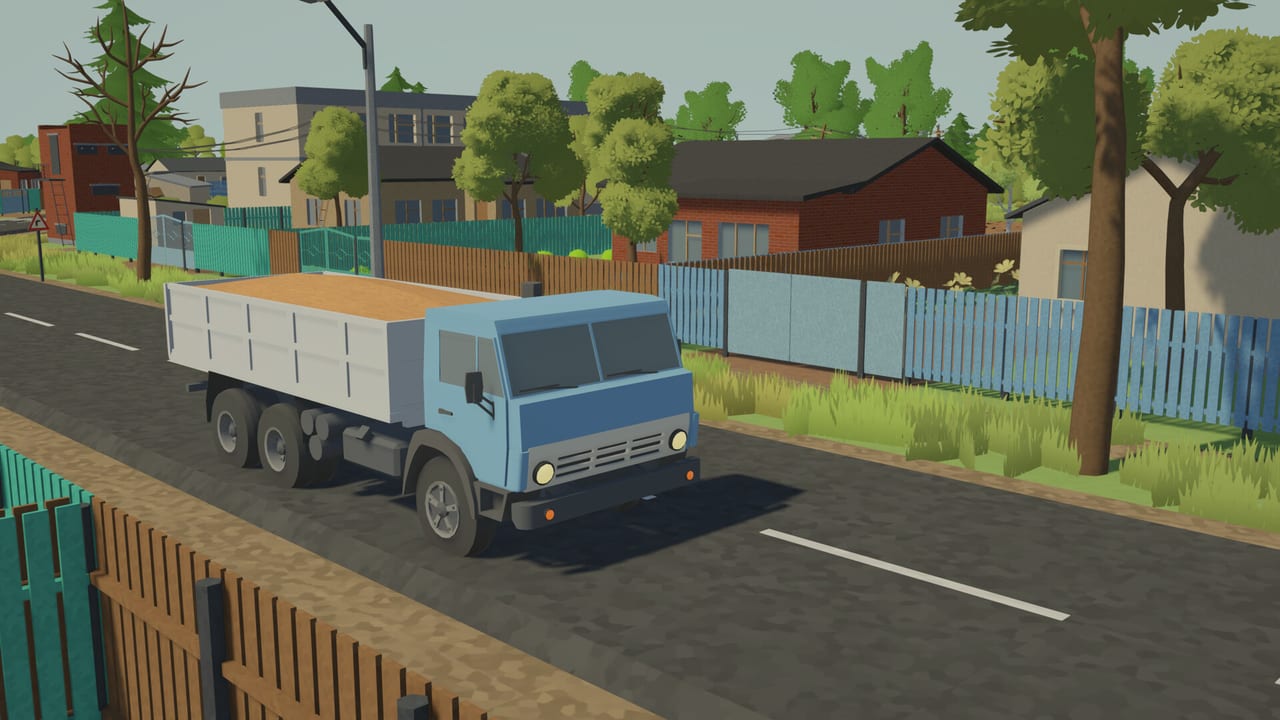
Harvest is where The Headlands turns planning into panic—or into quiet profit. Crops do not wait politely while you admire a new combine in the yard. Rain, soft ground, and a living market can erase a beautiful field if you cut late or sell wet. This page ranks harvest power by timing value, not brochure horsepower.
Read it with Weather, Farming Basics, and Tractors. Combines amplify good field prep; they do not replace it.
What “harvester” means here
Early Access covers a progression from slower, labour-heavy cutting toward proper combines that clear acreage before the sky turns. Exact model names will expand as TessaraOxygen adds machinery—ranks below stay role-based so they survive patches.
S-tier: right-sized combine on a ready farm
First real combine bought after acreage justifies it. When multiple fields mature together and tractor-only harvest burns days you do not have, a combine is S-tier. It protects you against weather stacks and frees tractors to till the next cycle. The key is readiness: fuel budget, storage, and a sales plan—raw or processed—see Production Chains.
S-tier is not “the biggest header.” It is the machine that finishes your hectares inside the dry window.
A-tier: shared harvest strategies
Modest combine on a mixed farm. Excellent when you rotate wheat, buckwheat, and oilseeds without going full industrial. Keeps stress low and pairs well with neighbour Contracts that expect timely delivery.
Tractor-assisted harvest kept intentional. Still A-tier on small holdings. If your Crop Planner keeps plots modest, skipping a combine is smart, not cowardly.
B-tier: early combine / oversized appetite
Combine purchased as a status unlock. If fields are few, fuel is tight, and processing is absent, the combine becomes an expensive lawn ornament. It climbs tiers once you consistently lose grain to weather—not once you simply want the cutscene of a full header.
Specialized harvest setups without storage. Clearing everything into a bottlenecked barn forces dump sales. Market timing dies; rank drops.
C-tier: mismatched harvest plans
Ignoring weather while chasing peak theoretical throughput. A top machine in a storm is still a muddy mistake. C-tier is the plan, not always the steel.
Letting harvest block all other work. If the combine runs while fields that should be tilled sit idle for a week, your fleet composition failed—even if the cut looked cinematic.
Tier table
| Setup | Tier | Best for | Failure mode |
|---|---|---|---|
| Right-sized combine + storage | S | Multi-field maturity | Underfueled runs |
| Modest combine / mixed crops | A | Steady Mid farm | Overbuying headers |
| Tractor-only on small acreage | A | Early game | Pride upgrades |
| Early oversized combine | B | Ego, not yield | Fuel + idle |
| Harvest without market plan | C | Short-term clear | Crash sales |
Crop notes that change harvester value
The Headlands leans into Ukrainian countryside staples: wheat, buckwheat, poppy, flax, sunflower, potatoes, carrots, onions, beets, garlic. Grain and oilseed acreage pushes you toward combines sooner. Dense vegetable beds may stay tractor-and-hand paced longer. Plan mixes so harvest peaks do not all land on the same rainy week—Crop Planner helps.
Weather gates
Before financing a combine:
- Know which fields dry first after rain.
- Keep a fuel reserve dedicated to the cut—not “leftover from tillage.”
- Stage trailers and barn space the day before.
- Decide sell-raw vs process before the tank fills.
Details live on Weather. Homemade helpers that speed haul-off can matter as much as the header—see Homemade Machines.
Economy: combine vs chain vs contract
Spend order that usually works:
- Stabilize tractor hours (Tractors).
- Unlock a processing step that lifts prices (Production Chains).
- Buy harvest capacity when weather losses appear in your notes.
- Use contract payouts to fund fuel during peak weeks (Contracts).
If cash is short, a smaller combine plus better routing beats a max header you fear to start.
Fieldcraft tips mid-cut
- Cut high-risk exposed fields first when storms threaten.
- Avoid long empty deadheads across the village; stage near the active parcel.
- Keep one tractor free for grain movement so the combine never waits on a full bunker.
- Stop for market spikes only if weather allows—price is useless on flattened crop.
Early Access caveat
Harvester balance and model count will grow during the planned ~12 months of Early Access. Track changes in Early Access and Roadmap. Role advice—time the window, fuel the run, store the grain—should outlast individual SKUs.
Bottom line
Combines are force multipliers for farmers who already understand Traktorivka’s clock. Earn them with acreage and discipline, then let them buy you calm evenings instead of frantic dawns. Return to the Machinery Hub when your fleet mix shifts after a patch.
Frequently Asked Questions
Quick answers for Early Access farmers in Traktorivka.
When should I buy my first combine?
When multiple fields mature together and tractor-only harvest regularly loses to weather or contract deadlines—not the first time you can barely afford one.
Is tractor-only harvest ever correct?
Yes on small acreage or vegetable-heavy plans. A combine is optional until hours and weather risk say otherwise.
What matters more than harvester size?
Fuel reserve, storage, a sales or processing plan, and cutting inside a dry window.
Do crops affect harvester priority?
Grain and oilseed spreads push combines earlier; smaller vegetable beds can stay slower longer. Stagger maturity dates either way.