The Headlands Machinery Wear & Repair
Worse condition costs more at the service station — learn when to fix, when to finish one more pass, and when a broken machine ends the day.
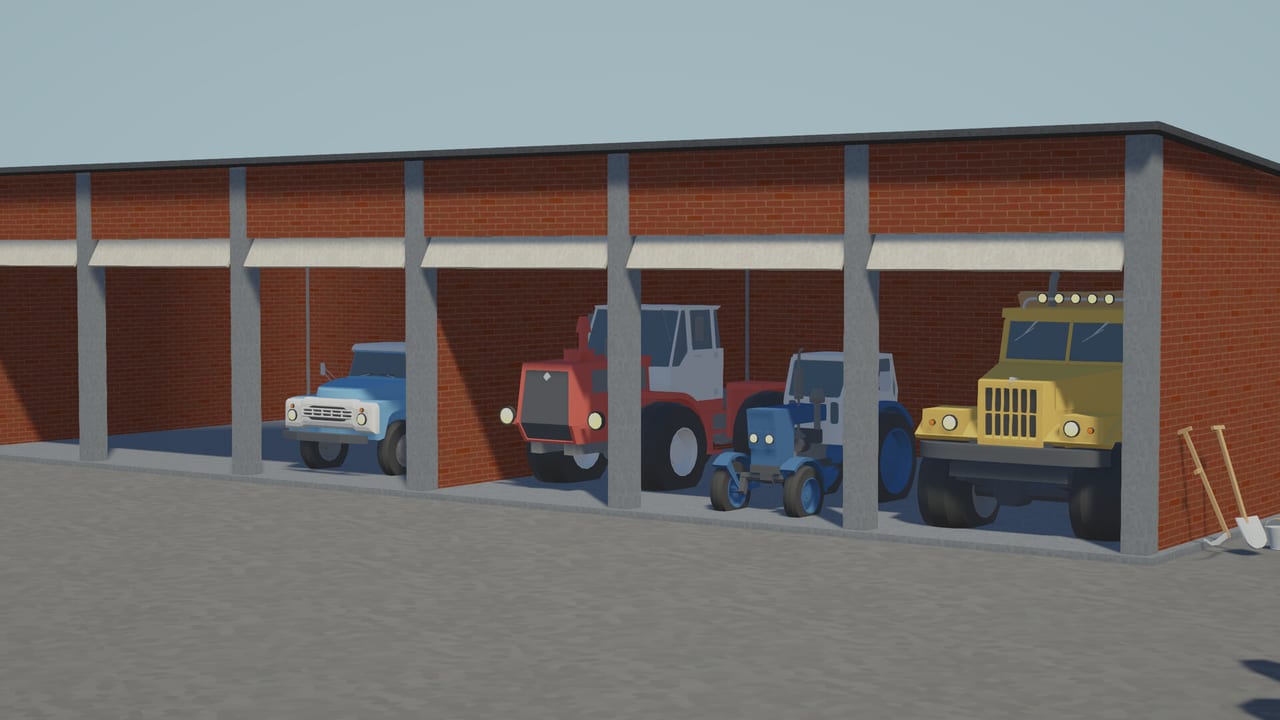
Machinery in The Headlands is not immortal wallpaper. Wear accumulates as you work Traktorivka’s fields, and condition changes what repair costs. Push a tired tractor too far and you will meet the hard stop: a broken machine cannot work fields until it is fixed. This guide covers the wear → break → repair loop, how to think about Sydorovych’s service station economics, and how to choose between “one more pass” and an honest workshop visit.
Read it with the mentor portrait on Sydorovych, fleet ranks on tractors, harvesters, and homemade, plus money timing on Market. Field systems still live in Farming Basics and Weather — rain will not wait while you invent a repair budget.
The wear loop in plain language
- Work — cultivation, sowing, harvest, and road hours stress machines.
- Wear — condition drifts down; the farm still runs, but risk and future bills rise.
- Service — pay at the service flow tied to Sydorovych’s world to restore condition; worse shape means costlier visits.
- Break — ignore the curve long enough and the machine stops being a tool. It becomes a sculpture until repaired.
- Return — fixed iron goes back to fields, ideally before the next clear harvest window closes.
Demo updates that fed Early Access (repair systems beside weather, production, and wider fleets) made this loop part of the live fantasy: countryside machines need countryside care.
Sydorovych and the service station
Sydorovych is mechanic, mentor, and builder of catalogue-free machines. The service station side of his world is where condition becomes a cash and time problem. Practical relationship rules:
- Visit with a problem statement (“header is tired before the far wheat”) rather than vanity tinkering mid-crisis.
- Budget fuel to reach service and return, not only the repair line item.
- Remember mentor homemade builds still wear; charm does not grant infinite bearings.
- Keep a boring backup tractor when your primary is in the bay — Getting Started logistics apply.
Character and build timing: Sydorovych. Ranking quirks: homemade tier.
Cost versus downtime
Repair is never only the sticker on the invoice. Total cost looks like:
service bill + fuel to workshop + hours without that machine + risk of breaking mid-field + knock-on market or contract losses
Sometimes a cheaper early service beats a dramatic late bill plus a missed clear sky. Sometimes you truly should finish the near field first because the workshop trip would burn the only harvest window of the day. Decide with weather and prices visible — not on pride.
Pay sooner when:
- Condition is ugly and the next job is long or distant.
- You lack a backup machine for the same role.
- Living prices are strong and a breakdown would strand a peak sale (Market).
- A neighbour contract depends on that exact vehicle (Contracts).
Wait a little when:
- One short near-field pass finishes a ripe crop before rain.
- The workshop trip would cross the map empty during a golden clear hour.
- You can park the tired unit and run a healthier spare today.
Never “wait a little” into a full break on your only harvester during peak grain week.
When to push one more field
Push when all of these are true:
- The remaining work is short and close.
- Weather will punish delay harder than mild extra wear.
- You have eyes on condition and are not already in the danger band.
- Cash or time for immediate service exists after the pass.
Stop and service when any of these are true:
- The machine is your only cutter and condition is scary.
- The next plot is distant enough that a roadside failure doubles the pain.
- You were about to accept a long contract on tired iron.
- Homemade experiments have not been inspected after hard weeks.
Broken cannot work fields — that sentence is the whole difficulty spike.
Fleet planning reduces repair drama
- Prefer reliable, fuel-sensible catalogue tractors for everyday hectares (tractors).
- Bring combines online when volume justifies them, then maintain them like the profit engines they are (harvesters).
- Use homemade units for gaps, not as your only harvest insurance (homemade).
- Stage a fueled spare near home fields when storms and markets make windows rare (Weather).
Expanding field count without a maintenance budget is how Early Access farms paint themselves into a corner.
Interaction with crops, market, and production
- Diversified crops help if one specialised harvester is in the bay.
- A thin market fuel buffer makes surprise service bills lethal — keep diesel money sacred.
- Rainy harvest bans are excellent service and haul hours: fix iron, then feed mill and sawmill loops (Production Chains).
- Do not start a vanity Sydorovych frame while wheat waits under a clearing sky.
Session habits
- Glance at condition when you glance at fuel.
- After hard harvest days, schedule service before new distant sowings.
- During rain, clear workshop debt and warehouse jobs together.
- Never leave a near-broken unit as the only machine on a far contract.
- Log which vehicles nick condition fastest — change how you assign them.
- Park clean, implements raised, so the next clear dawn does not start with a surprise red warning.
Early Access expectations
Repair depth arrived through pre-EA demo work (including Rainy Season-era systems) and remains part of the live loop while TessaraOxygen grows content across roughly twelve months of Early Access (Early Access, roadmap). Exact costs and curves can shift; the design pillars — wear matters, worse is costlier, broken stops fieldwork — are the habits to keep.
Related pages
Treat repair as part of farming, not an interruption of farming. Traktorivka’s best harvests belong to players who still have a running engine when the sky finally clears.
Frequently Asked Questions
Quick answers for Early Access farmers in Traktorivka.
Does machine condition affect repair cost?
Yes. Worse condition makes service costlier. Fixing earlier often beats a dramatic late bill plus downtime.
What happens if a machine breaks?
A broken machine cannot work fields until it is repaired. Plan backups for your harvest-critical roles.
Should I always finish the field before repairing?
Only when the remaining work is short, close, and the weather window is rarer than the wear risk. Do not gamble your only harvester.
How does Sydorovych fit into repairs?
He is the mechanic mentor tied to service and homemade builds. Use him for real bottlenecks; keep catalogue backups for everyday hectares.
When is a good time to visit the workshop?
Rainy harvest bans, post-harvest evenings, and any moment before a long distant job on tired iron.