The Headlands Crops Guide
Buckwheat to garlic — match growth personality, harvest tools, and living prices before you fill every field the same way.
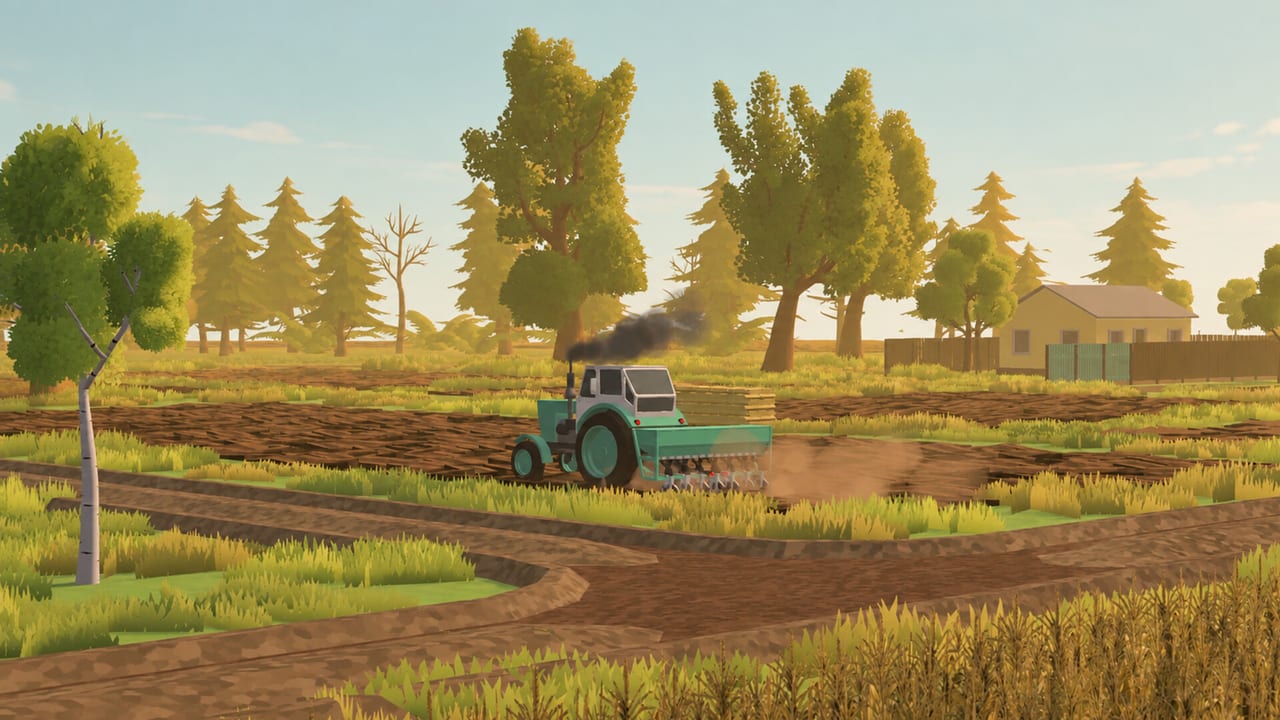
Crops are the quiet personality of The Headlands. TessaraOxygen’s Early Access farm around Traktorivka is not a single “best plant forever” puzzle. Each sowing choice locks growth time, harvest tools, haul volume, and market behaviour into the same week you also spend on fuel, weather, and neighbour work. This guide digs past the roster list so you can decide what to plant, when to diversify, and which machines must exist before a crop is honest wealth instead of a pretty problem.
Read this beside Farming Basics for the cultivate → sow → grow → harvest loop, Weather for rain growth versus harvest bans, and Market for sell timing. Sketch multi-field plans with the crop planner. The early demo trailer mid-article is atmosphere only — trust in-game tools and prices for decisions.
Two families: grains and vegetables
Early Access splits the farm into grain and specialty plants plus a vegetable block with its own harvesting story.
Grains and specialties: buckwheat, wheat, poppy, flax, sunflower.
Vegetables: potatoes, carrots, onions, beets, garlic — backed by a dedicated vegetable harvester in the fleet progression.
Grain pipelines often anchor early cash and feed the mill for flour later. Vegetables widen margins and story flavour, but they punish players who plant a full block before they can lift it efficiently. Treat “high sticker price” as incomplete information until harvest tools, storage, and truck time match the field.
Growth personality (without spoiling exact timers)
Every crop has a growth feel: some reward patience and large clear harvest windows; others turn around faster and fit rain-accelerated stagger plans. Practical questions before you commit a whole side of the village:
- Will this crop be ready when I expect a clear harvest window, or will it peak under rain?
- Can my current tractor and implements finish prep and sowing without starving other ripe fields?
- Does the yield volume fit my truck and warehouse, or will I choke logistics mid-week?
- Is this crop mostly a raw sale story, a process story (flour and related chains), or both?
Rain speeds growth like a free sprinkler but blocks harvest. Crops that love wet growth still need a calendar that frees headers when the sky opens. Stagger sow dates so Field A is cut while Field B is still greening under rain. Details: Weather Guide.
Price personality and living markets
Prices move on their own — sometimes while the load is already on the truck. Crops therefore have market personalities as much as agronomic ones:
- Some spike hard and punish late hauls.
- Some sit steadier and suit processing buffers.
- Some look rich on the board until fuel kilometres eat the margin.
Before you specialise an entire farm into one plant:
- Check price before a long loaded drive (Market).
- Keep storage so a trough does not force a dump.
- Compare raw sale versus mill or other processing when chains are online (Production Chains).
- Remember contracts pay on a different ledger than open-market dumps.
Diversification is not aesthetic — it is insurance against one soft quote and one broken harvester on the same Tuesday.
Matching machines to crops
Wrong tool × right seed = diesel charity.
- Everyday tillage and sowing live on reliable tractors and matching implements. Width and class should fit the plot, not your ambition.
- Grain volume eventually wants proper harvesters / combines when field count makes headers the bottleneck.
- Vegetables want the vegetable harvester in play before you carpet the map in roots and bulbs.
- Homemade mentor builds can fill odd gaps — compact pulls, quirky logistics — but they do not invent rainy harvests. See homemade and Sydorovych.
- Wear and repair matter: a broken machine cannot work fields, and worse condition costs more at the service station. Budget downtime with Repair.
Buy the harvest path before you buy the fantasy acreage.
When to specialise versus diversify
Specialise when:
- One crop’s tools are already owned and fueled.
- You can finish the loop (prep → harvest → sell/process) without leaving ripe neighbours waiting.
- Processing or market reads favour a steady input (for example mill-ready grain).
- You are still learning Traktorivka roads and should simplify decisions.
Diversify when:
- Weather stagger needs overlapping readiness dates.
- One soft price would strand your whole cash week.
- Vegetable tools finally unlock and you want a second income lane.
- Contracts demand a crop you do not currently grow, and the detour is cheaper than buying in.
- Production wants surplus grain while you still sell another crop raw for fuel buffers.
A healthy Early Access pattern is one anchor grain + one flexible secondary, then vegetables once the harvester and storage exist. Expand plot count only after the first two fields finish cleanly — Getting Started still applies.
Fuel, time, and crop choice
Crop choice is also a fuel thesis. Distant sunflower dreams cost empty kilometres. Near-field wheat that feeds the mill may beat a glamorous far plot that arrives late to a fallen price. Count:
- Cultivation and sowing passes.
- Harvest passes and headland turns.
- Loaded haul to trader, mill, or warehouse.
- Return trip and the next clear window you just spent.
If the crop cannot survive that accounting, it is decoration.
Production and crop planning
Mill flour and related finished goods reward predictable grain inflow, not random max-price chasing. Sawmill and warehouse work steal the same truck hours your elevator run wants. When you plant for industry:
- Keep a raw-sale reserve so diesel never depends on a clogged chain.
- Use rainy harvest bans as industrial haul time.
- Re-check whether processing still beats raw after fuel — see Production Chains and sell timing on Market.
Demo-era updates already hinted at wider crop counts and stronger production; Early Access continues from that foundation toward roughly twelve months of growth and a world that will not stay limited to Traktorivka forever (roadmap, Early Access).
Session habits for crop managers
- Read weather and the price board before touching seed.
- Harvest every clear-ready field first — growth bonuses mean nothing uncut.
- Sow what rain can bless next, on tools you own.
- Leave at least one field flexible for price or contract surprises.
- Stage fuel so a long grain haul never strands the vegetable harvester at home.
- Log which crops actually paid after diesel — feelings lie, tank receipts do not.
Related pages
Crops in The Headlands reward farmers who treat seed as a machine decision and a market decision at once. Match tools, respect rain, diversify on purpose, and Traktorivka’s fields will pay in rhythm instead of panic.
Frequently Asked Questions
Quick answers for Early Access farmers in Traktorivka.
What crops are in The Headlands Early Access?
Grains and specialties include buckwheat, wheat, poppy, flax, and sunflower. Vegetables include potatoes, carrots, onions, beets, and garlic, with a dedicated vegetable harvester in the progression.
Should beginners plant only the highest-priced crop?
No. Match growth time and harvest tools to what you own, keep fields close, and watch living prices. Wrong tools erase sticker-price dreams.
When should I add vegetables?
When you can efficiently harvest them — ideally with the vegetable harvester online — and still keep a grain or fuel-sale buffer for diesel.
How does rain change crop planning?
Rain speeds growth but blocks harvest. Stagger sow dates so something is always ready for the next clear window.
Do crops matter for the mill?
Yes. Predictable grain inflow feeds flour production. Plant for industry only when trucks and warehouse space can clear outputs — see Production Chains.